
It is a common scenario: a homeowner wants to upgrade their property’s safety, so they purchase a few standalone WiFi cameras, mount them high up under the eaves, and immediately feel a heightened sense of security.
While visible cameras are a good deterrent, relying on them as your sole security measure creates a false sense of protection. The hard truth is that standalone cameras are inherently reactive. They don’t stop a crime; they simply record it happening. To truly protect your family and property, your security strategy needs to shift from a reactive observer to a proactive defense.
The Problem with the “High-Altitude Observer”
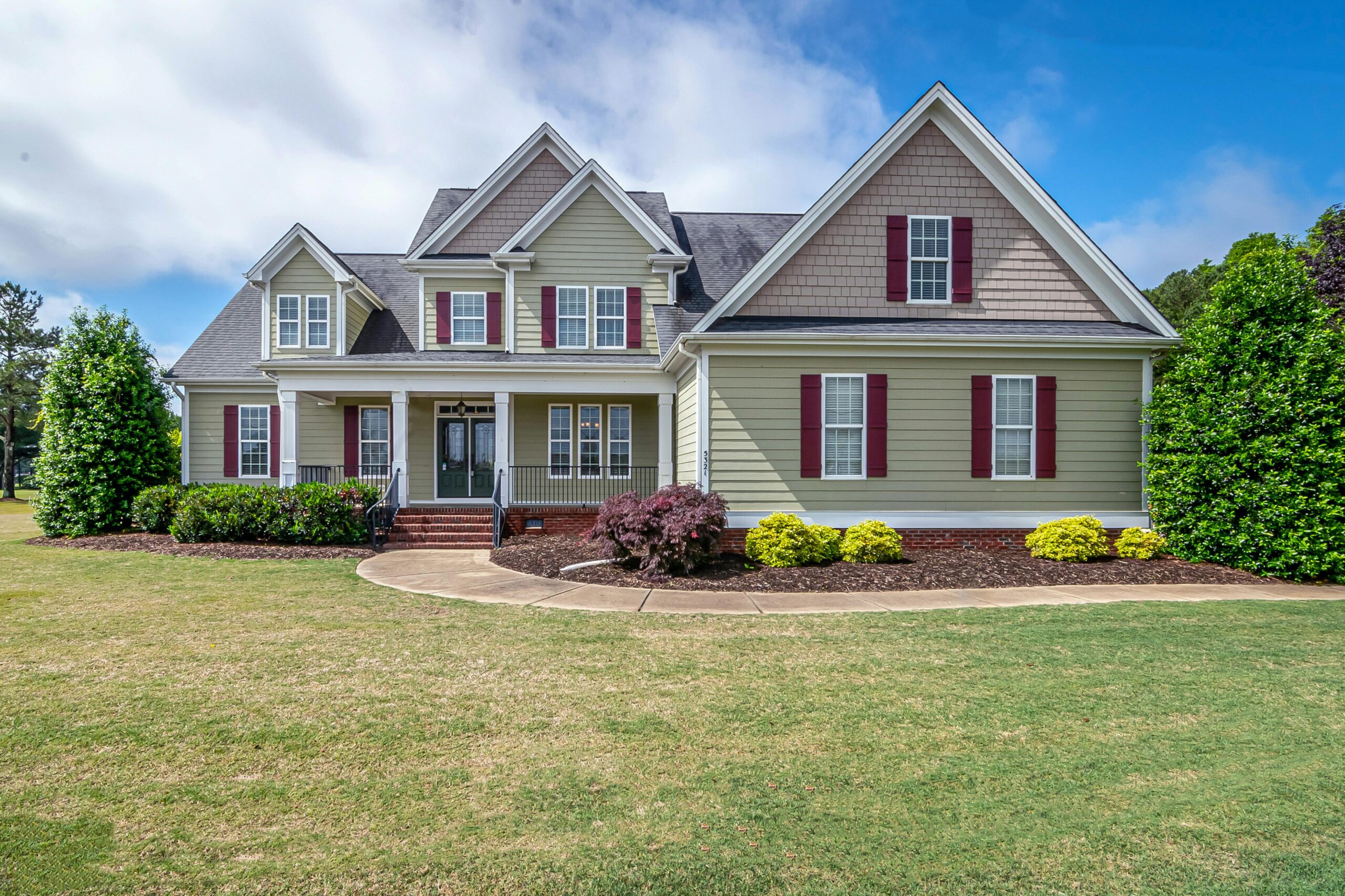
When cameras are installed in high residential locations—like above a second-story window or high on a garage—they are great for capturing wide-angle views of the property. However, this placement comes with severe limitations:
- The “Hoodie” Problem: A camera looking sharply downward will capture the top of a burglar’s hat or the hood of their sweatshirt, but rarely a usable shot of their face.
- Too Late to Act: A standalone camera simply saves footage to an SD card or the cloud. If an intruder breaks into your vehicle at 3:00 AM, the camera does its job and records the event. Unfortunately, you only discover the theft the next morning. You are left with a police report and a video of the crime long after the perpetrator is gone.
Making the Shift: How to Build a Proactive System
To stop a crime before or as it is happening, your cameras must be integrated into a comprehensive smart home security system. Here is how integration changes the game:
1. Smart App Notifications
Instead of checking your camera footage the next morning, integrated systems use advanced analytics to push real-time notifications to your smartphone.
- Targeted Alerts: Modern systems can distinguish between a stray cat, a passing car, and a person loitering on your porch.
- Immediate Action: If you receive an alert that a person is lingering by your back door at midnight, you can immediately turn on smart lights, trigger a siren, or use two-way audio to let them know they are being watched.
2. The Power of Alarm Verification
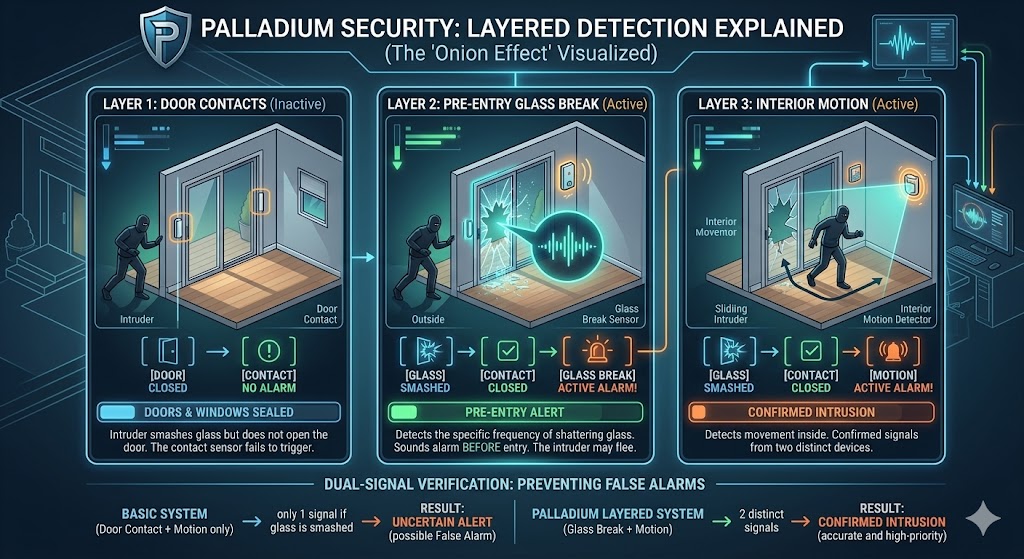
The most significant leap from reactive to proactive security is tying your cameras—especially interior ones—directly to your alarm panel and monitoring station. This creates a process called Video Alarm Verification.
- How it works: If a motion sensor trips or a glass-break detector goes off in your living room, the system immediately sends a short video clip from your interior cameras to the central monitoring station.
- Why it matters: Police departments are overwhelmed by false alarms triggered by pets, balloons, or user error. Because of this, standard “blind” alarms are often assigned a lower priority. However, if a monitoring agent can actually see an intruder on the video feed, it becomes a verified crime in progress. Police prioritize verified alarms, drastically reducing response times and increasing the likelihood of an apprehension.
Closing the Security Gap
A security camera is a piece of hardware; a security system is a strategy. By bringing your cameras down to functional heights, setting up intelligent push notifications, and integrating interior cameras with professional alarm verification, you stop merely recording history and start actively protecting your home.